![curbit-gr-no-tag@4x-1[2]](https://curbit.com/hs-fs/hubfs/curbit-gr-no-tag@4x-1%5B2%5D.png?width=150&height=39&name=curbit-gr-no-tag@4x-1%5B2%5D.png "curbit-gr-no-tag@4x-1[2]")
The handoff between kitchen and guest is where most restaurant technology stops paying attention. Orders fire on a timer set weeks or months ago. The kitchen runs at whatever pace it's actually running that hour. Somewhere in between, food waits on a shelf under a heat lamp, or a guest waits at the counter checking their phone. Neither outcome is good. Cold, held food costs margin and reviews. An empty pickup shelf costs patience, and often the next order too.
Curbit was built around a simple premise. The handoff should match what's actually happening in the kitchen instead of a static assumption made weeks earlier. That premise plays out across three pathways, each targeting a different piece of the same problem.
Pathway 1: Throughput and Conversion
Most ordering platforms fire tickets on a fixed make-time estimate and hope the kitchen keeps up. Curbit reads live speed of service straight from the KDS and adjusts order fire timing to match real kitchen conditions in the moment. When a kitchen slows down during a rush, fire timing shifts with it. When it's running fast, timing tightens too.
Smashburger's rollout, built on a PAR POS and KDS stack alongside Olo, is a clear example. Cook-to-order concepts like this face a specific pain: food finished and sitting before the guest ever shows up. Within 90 days of launch, Smashburger locations using Curbit saw order timing accuracy improve by up to 84 percent, with repeat purchase rates climbing 22 percent.
Pathway 2: Guest Communication
A promise time set once at checkout and never updated is a promise made blind. Curbit's Smart Promise® Times adjust in real time as kitchen conditions change, and that updated timing carries through to guest and driver messaging. Guests get told when their order will actually be ready.
That accuracy compounds. In the same Smashburger rollout, guest sentiment polarity improved 48 percent and Google review ratings climbed 11 percent, because a guest who shows up to hot, ready food once is a guest who trusts the next pickup time too.
Pathway 3: Operational Visibility
You can't fix what you can't see across a fleet of locations. Curbit pulls together location-level data on wait times, food dwell time, and kitchen performance variability, then connects that data to guest sentiment signals like Google ratings. A store with a rating problem usually has a timing problem underneath it, and this pathway makes that connection visible for the first time.
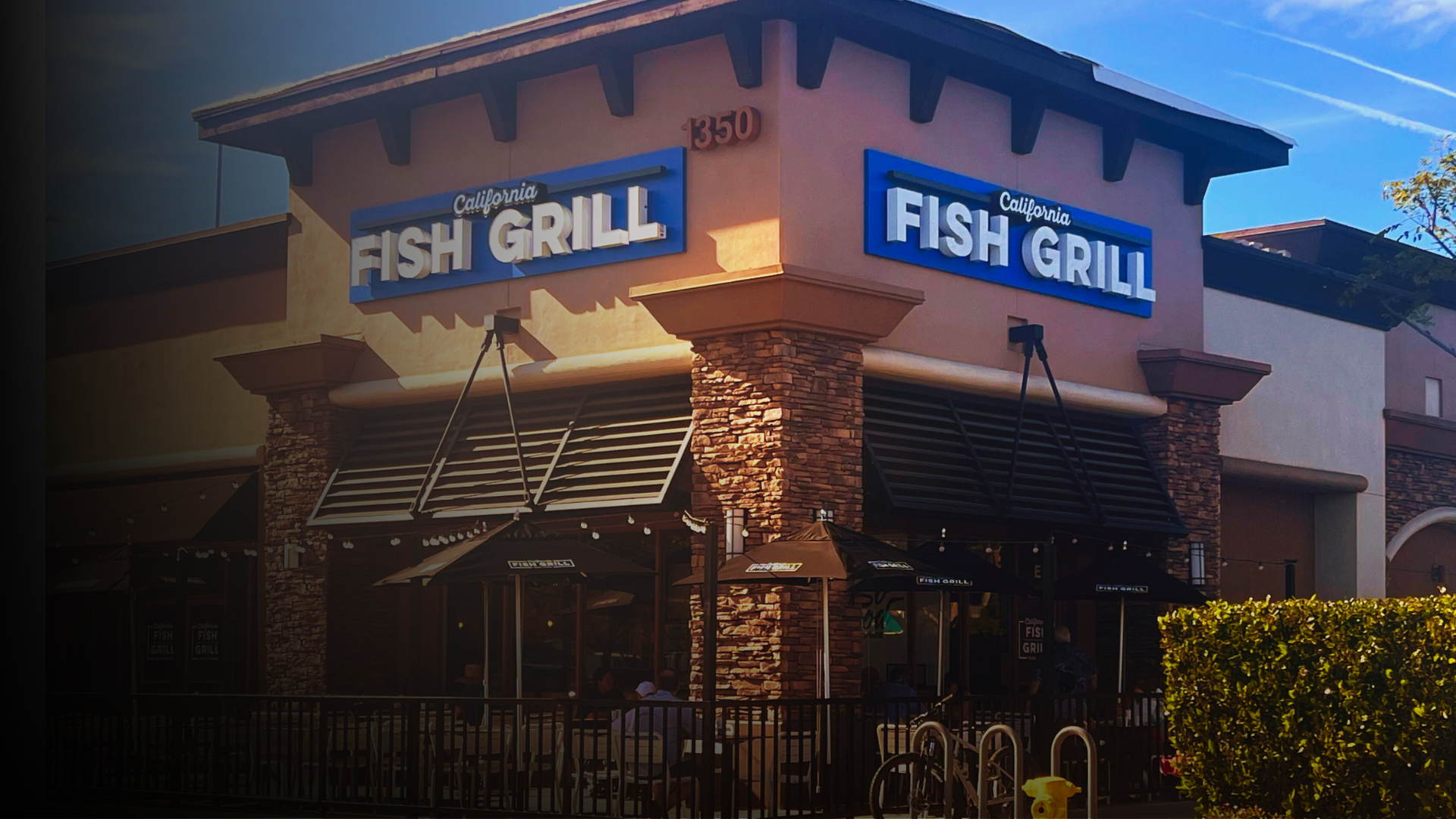
A 30-day pilot at California Fish Grill, spanning 67,000 orders across six locations, cut quote time misses from six minutes down to 1.5, and dropped the share of food sitting at expo more than five minutes from 61 percent to 13 percent. Curbit's fleet assessment is how that kind of visibility gets built, read-only and without touching a single line.
Three Pathways, One Handoff
Throughput, communication, and visibility aren't separate initiatives at Curbit. They're three views into the same moment: the second an order moves from kitchen to guest. Get that moment right consistently, across every location, and you get what Curbit calls Happy Handoffs®. Cava, Jollibee, California Fish Grill, and a growing list of multi-unit brands run on this framework today, and Curbit has maintained 100 percent customer retention across its customer base.
For brands still running on static make-times and hoping the kitchen keeps pace, the starting point is simple. Curbit's fleet assessment takes a look at what's happening today, no commitment and no changes required, and shows exactly where the handoff is breaking down. From there, booking a demo takes about 30 minutes.